A practical packing list for kayaking, canoeing, and paddleboarding around Greene County, the Catskills, and nearby Hudson Valley waters. This is general guidance, not a field report for any one launch, and not a substitute for a safety course. Pair it with Before You Paddle for what to check on the day, and read the field-review status on the specific guide for the spot you have in mind.
It is not a gear-flex list. It is the stuff that helps a normal paddler have an easier, less annoying, lower-stress day on the water.
Quick answer: the basic kit
For most short, fair-weather paddles around Greene County, start with this:
- Properly fitted, U.S. Coast Guard-approved life jacket (PFD) for every person. Wear it.
- Whistle or other sound-producing device.
- White light, such as a waterproof flashlight, especially near dusk, fog, or low visibility.
- Paddle, plus a spare paddle if you have one.
- Water and snacks.
- Sun protection: hat, sunglasses, sunscreen, and a sun shirt.
- Phone in a waterproof case or dry bag.
- Dry bag with a dry layer and your keys and wallet.
- Footwear that can get wet.
- Clothing for the water temperature, not just the air.
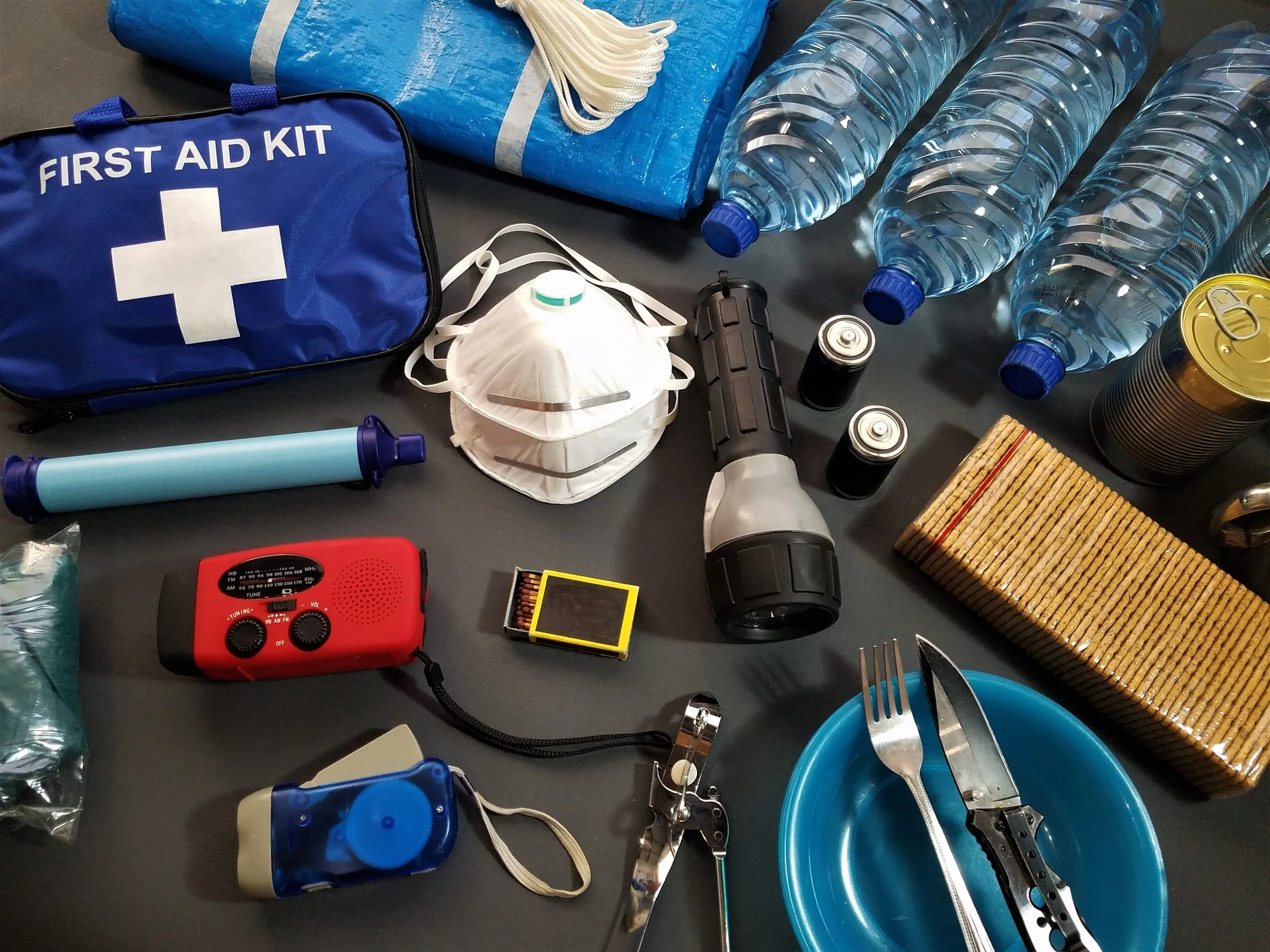
- Small first aid kit.
- A trash bag or zip bag to carry out what you bring in.
- A float plan shared with someone who is not on the water.
If you are paddling the Hudson River, going out in colder weather, bringing kids, fishing, or using a paddleboard, add the extras further down.
Required safety gear in New York
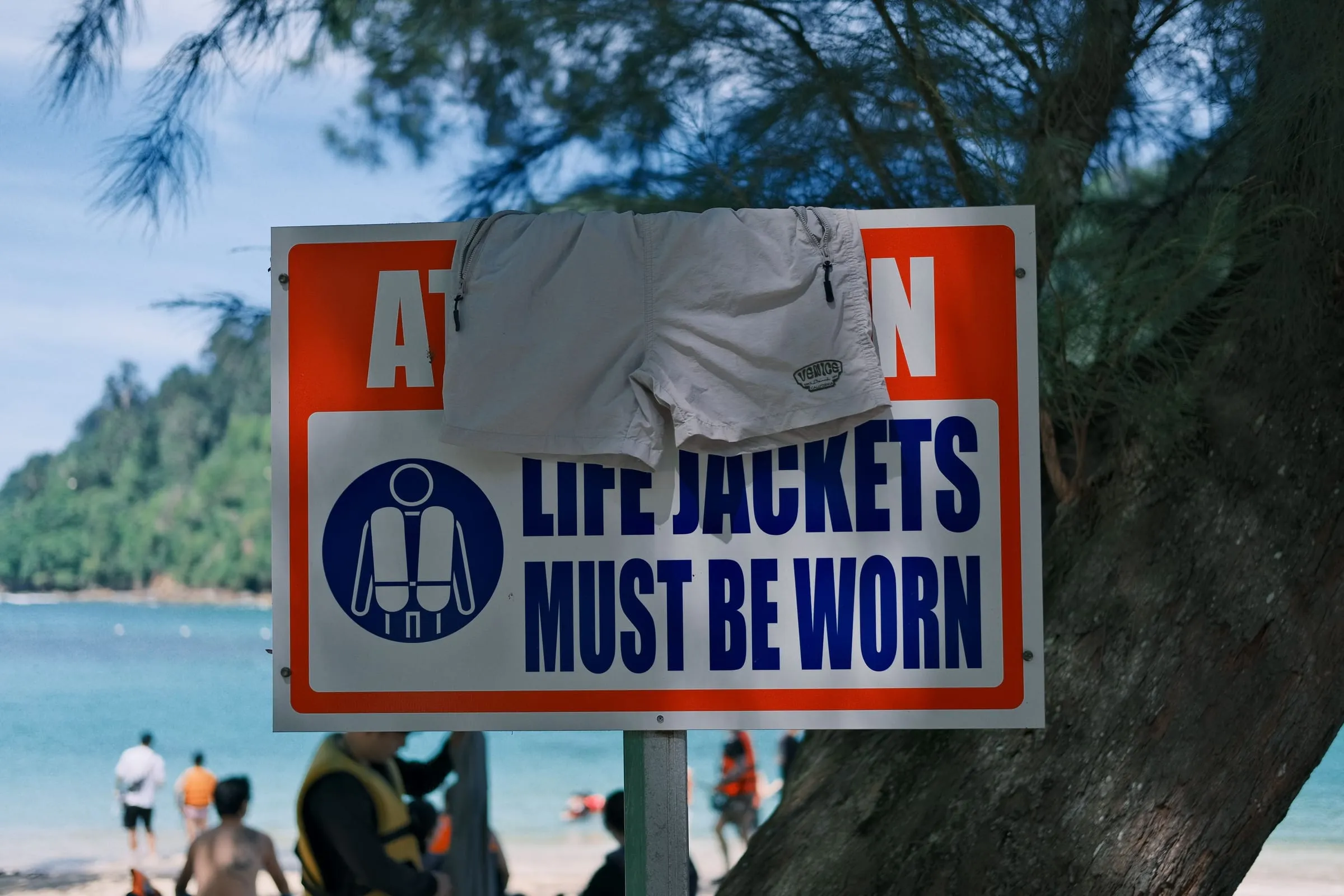
New York State Parks lists three required items for paddlecraft: a proper-fitting, U.S. Coast Guard-approved life jacket for each person, a sound-producing device such as a horn or whistle, and a white light such as a waterproof flashlight. Every vessel, including a kayak, canoe, or paddleboard, must carry one life jacket per person, easy to reach and properly sized.
There are also times when wearing the life jacket is not optional. Under New York rules, a PFD must be worn from November 1 through May 1 on any pleasure vessel under 21 feet, including canoes and kayaks. Anyone under 12 must wear a PFD on canoes, kayaks, and other pleasure boats unless they are in an enclosed cabin.
Paddle Greene note: even when the law only says you need it on board, the practical local recommendation is simple. Wear it. A life jacket stuffed under a bungee does not help much during a surprise capsize.
The "do not leave without it" list
Life jacket / PFD
Bring one for every person, and make sure it actually fits. A good paddling PFD lets you sit, twist, and paddle without riding up around your chin. Before you go, check that it is Coast Guard approved, the right size, undamaged, with working buckles and straps. For kids, fit matters more than almost anything. Do not put a child in an adult vest and call it good.
Whistle
Attach a whistle to your PFD, not to a hatch or dry bag. If you get separated from the boat, the whistle should still be with you.
White light
A waterproof flashlight, headlamp, or small white safety light. It matters most near dusk, at night, in fog, or on bigger water where other boats may not see a low kayak or paddleboard.
Phone and dry bag
A phone is useful for maps, weather, photos, and calling for help, but only if it still works after getting wet. Keep it in a waterproof pouch or dry bag, ideally on a lanyard, fully charged, with an offline map or a saved launch location for spots where cell service is spotty. Do not treat the phone as your only plan. Tell someone where you are going and when you expect to be back.
Clothing: dress for the water
Greene County paddling can mean a warm summer lake, a windy Hudson River launch, or chilly spring water that does not care how nice the air feels. A good basic setup:
- Synthetic or wool layers instead of cotton.
- Quick-dry shorts or pants.
- Sun shirt or a lightweight long sleeve.
- Hat and sunglasses with a retainer strap.
- A dry top layer kept in a dry bag.
Avoid cotton for cooler paddles. It gets wet, stays wet, and can chill you fast.
Footwear
Wear shoes that can get wet and stay on your feet: water shoes, old sneakers, or sandals with heel straps. They protect your feet at rocky or muddy launches and in shallows. Flip-flops tend to float away.
Water temperature and cold water
Cold water deserves more respect than cold air, and it stays cold well into spring and early summer. Cold-water shock and hypothermia are real risks even on a warm, sunny day. In the shoulder seasons, consider a wetsuit or drysuit depending on conditions and your experience. At a minimum, pack dry clothes and be honest with yourself: if you would not be okay ending up in the water, pick an easier day, a calmer spot, or wait for warmer water. Before You Paddle covers how to read conditions before you launch.
Water, snacks, sun, and bug protection
Even a short paddle can feel longer when it is sunny, windy, or harder than expected. Bring:
- More water than you think you need.
- Easy snacks.
- Sunscreen and lip balm with SPF.
- Bug spray, especially near marshes, creeks, and shaded shorelines at dawn and dusk.
- A small towel and a change of clothes for after.
- A trash or zip bag.
For family paddles, bring extra snacks. This is not optional. Hungry kids turn a scenic paddle into a long afternoon.
Hudson River add-ons
The Hudson is one of Greene County's biggest paddling assets, but it is not a small calm lake. It is tidal, with wind, current, wakes, and motorized and commercial traffic. Add a little margin. For Hudson paddles, consider:
- Bright clothing or a high-visibility PFD. New York State Parks notes that kayaks sit low and can be hard for motorboaters to see.
- A safety flag if your boat sits low or the waterway is busy.
- A spare dry layer and an extra white light if there is any chance of low visibility.
- A bilge pump or sponge for sit-inside kayaks.
- A paddle float or tow line only if you are trained and comfortable using it.
- Tide and current notes saved before launching, plus extra time and energy for changing wind.
A good place to start is the Coxsackie Riverside Park launch guide, and the broader Hudson River paddling guide for context. Rule of thumb: if the Hudson looks windier or choppier than expected, do not force it. Choose a calmer lake instead.
Lake and pond add-ons
For calmer water like a small lake or pond, you need less river-specific gear, but wind still matters. Helpful extras: a small sponge or bailer, extra sun protection and bug spray, and a dry bag for towels and post-paddle clothes. Even on a no-motor lake, bring your safety basics. Calm water does not mean no risk.
Creek and rain cautions
Creeks change quickly after rain. A shallow, mellow-looking creek one week can run higher, faster, and snaggier after a storm. For moving water, bring more caution than gear:
- Check recent rain and water levels before you commit.
- Watch for strainers, downed trees, and debris that water flows through.
- Know your takeout before you launch, and avoid paddling alone.
- Do not tie yourself to your boat, and do not use a leash in moving water unless you are trained and have a quick-release system.
If you are newer to paddling, build up on calm water first. The RamsHorn-Livingston Sanctuary guide is one example of quieter creek and tidal-marsh paddling in the area, and like every guide it lists what still needs checking.
Paddleboard notes
For stand-up paddleboards, take the PFD, whistle, and white-light basics seriously, and respect the wind. A board can drift away faster than people expect. Bring a PFD you will actually wear, a whistle attached to it, a board leash suited to the water (with a quick-release setup for any moving water, and only if you understand it), a waterproof phone case, and sun protection. Paddleboards are extra wind-sensitive, so if you are new, stay close enough to shore that you can comfortably get back.
Family and kid add-ons
For kids, the best gear is whatever keeps the day short, simple, and positive. Bring properly sized child PFDs, extra snacks and water, sun hats and sunscreen, dry clothes, a small towel, a basic first aid kit, a short route, and an easy bail-out plan. Before launching with kids, ask whether the launch is easy, whether restrooms are nearby, whether there is a safe place to wait while boats are loaded, and whether there is an easy way to cut the paddle short. A short, successful paddle beats a long, miserable one. For spots chosen with this in mind, see Family-Friendly Paddling and Beginner Kayaking in Greene County.
Fishing kayak add-ons
Fishing kayaks carry more gear, which means more to lose and more clutter underfoot. Bring a fishing license if one is required for what you are doing, a PFD that works while casting and sitting, leashes or secure storage for important gear, a small tackle kit rather than the whole garage, pliers or a hook remover, and dry storage for your phone and keys. Pack a trash bag for line, wrappers, and soft plastics. Keep the deck clear enough that you can re-enter, paddle, and move if conditions change.
Clean, Drain, Dry before the next launch
Before moving from one lake, river, or creek to another, clean your boat and gear. New York State DEC says boats and equipment can spread aquatic invasive species, and that state law requires Clean, Drain, Dry steps before launching watercraft, including canoes and kayaks, into public waterbodies. The basic steps:
- Check your boat and gear for plants, mud, animals, and debris.
- Clean off anything visible before you transport equipment.
- Drain water-holding areas before you leave the access site.
- Dry boats and gear before using them in another waterbody, or disinfect what cannot dry in time.
This applies to paddlers too. Kayaks, canoes, paddleboards, water shoes, anchors, and bilge sponges can all move hitchhikers from one waterbody to the next.
What not to bring
Leave behind glass bottles, loose trash, cotton layers for cold or questionable weather, speakers blasting across quiet water, more gear than your skill level needs, and alcohol as part of the paddle plan. A cleaner, lighter boat is easier to launch, control, and pack up.
Printable packing checklist
Basics for every paddle
- PFD for every person
- Whistle or sound-producing device
- White light or waterproof flashlight
- Paddle (and a spare, if available)
- Phone in a waterproof case
- Water and snacks
- Dry bag
- Clothing for the water temperature
- Footwear that can get wet
- Sun protection and bug spray
- Small first aid kit
- Float plan shared with someone
Add for the Hudson River or bigger water
- High-visibility clothing or PFD
- Extra light or reflective gear
- Tide and current notes
- Bilge pump or sponge
- Extra dry layer
- Safety flag, if appropriate
Add for cold water
- Wetsuit or drysuit if conditions call for it
- Warm dry layer in a dry bag
- Warm hat and extra socks
- Shorter route and a conservative plan
Add for kids
- Properly sized child PFDs
- Extra snacks and water
- Dry clothes and a towel
- Short route and an easy exit plan
Add for fishing
- Fishing license, if required
- Pliers or hook remover
- Tackle secured
- Line and trash bag
The bottom line
For an easy Greene County paddle, you do not need fancy gear. You need the safety basics, a realistic plan, and enough comfort items to keep a nice paddle from turning into a problem. Wear the PFD, bring the whistle and light, protect your phone, dress for the water, check the wind and weather, and clean your gear before the next launch. Then go have a good paddle.